



UK's largest LED
Specialist Retailer


Rated Excellent
Over 15k Trustpilot Reviews


Customer Satisfaction
14 Day Returns


Free Delivery
Orders over £50*


LED Spotlights
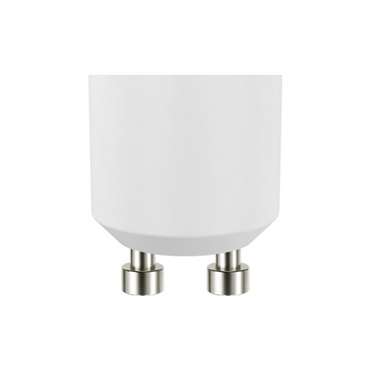
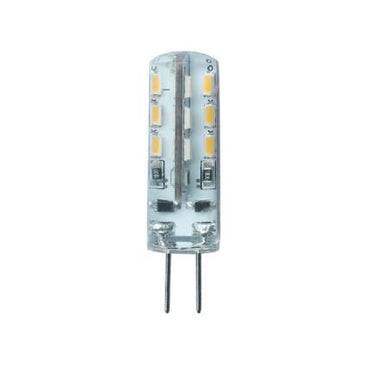
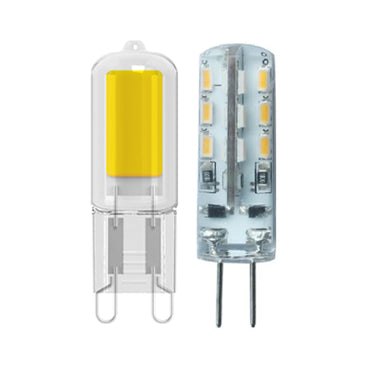
Whether you’re looking for warm and ambient LED spotlights to add a softer lighting dimension to your at-home relaxation areas (e.g. bedrooms, living rooms, conservatories), or whether you’re searching for LED spotlight bulbs for use in practical areas such as kitchens, bathrooms, hallways, and workspaces, our complete range of LED spotlights has everything you need.
For example, if you wish to set the tone, check out GU10 LED bulbs warm white to help you achieve a cosy yellow/orange lighting backdrop, or conversely you may wish to check out GU10 cool white if you’re looking for the ideal way to illuminate action areas where you require a little more focus and concentration.
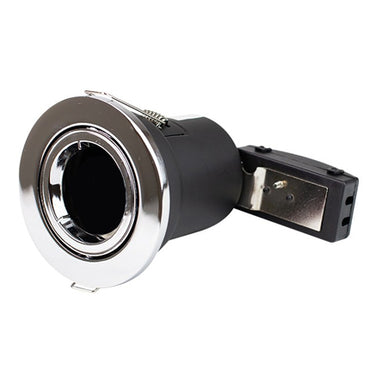


Lumilife
LUMiLiFe 6W GU10 LED Spotlight - Wide Beam - Dimmable - 550lm - 4000K
- 110 Degree Beam Angle
- 25000 Hours Life Expectancy
- 4000K (Cool White)
- 50W Halogen Replacement
- 54mmx50mmx50mm
- Dimmable
- Regular Price
- £2.49
- Sale Price
- £2.49
- Regular Price
-
- Unit Price
- per

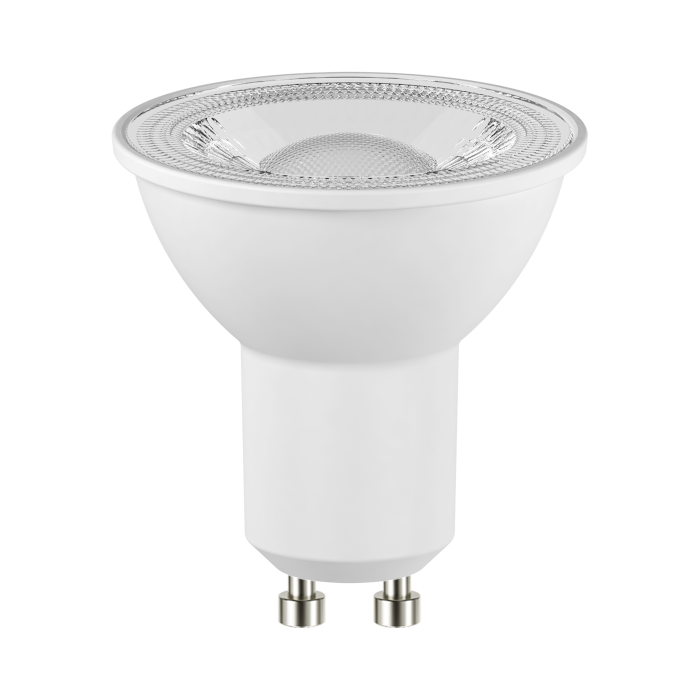
Lumilife
LUMiLiFe 4.2W GU10 LED Spotlight - 345lm - 4000K
- 15000 Hours Life Expectancy
- 36 Degree Beam Angle
- 4000K (Cool White)
- 50W Halogen Replacement
- 54mmx50mmx50mm
- Non Dimmable
- Regular Price
- £1.69
- Sale Price
- £1.69
- Regular Price
-
- Unit Price
- per


Lumilife
LUMiLiFe 4W GU10 LED Glass Spotlight - 345lm - 2700K
- 15000 Hours Life Expectancy
- 2700K (Warm White)
- 36 Degree Beam Angle
- 50W Halogen Replacement
- 52mmx50mmx50mm
- Non Dimmable
- Regular Price
- £1.99
- Sale Price
- £1.99
- Regular Price
-
- Unit Price
- per


Lumilife
LUMiLiFe 4W GU10 LED Spotlight - Dimmable - 450lm - 5000K
- 25000 Hours Life Expectancy
- 36 Degree Beam Angle
- 5000K (Daylight)
- 54mmx50mmx50mm
- 60W Halogen Replacement
- Dimmable
- Regular Price
- £2.39
- Sale Price
- £2.39
- Regular Price
-
- Unit Price
- per

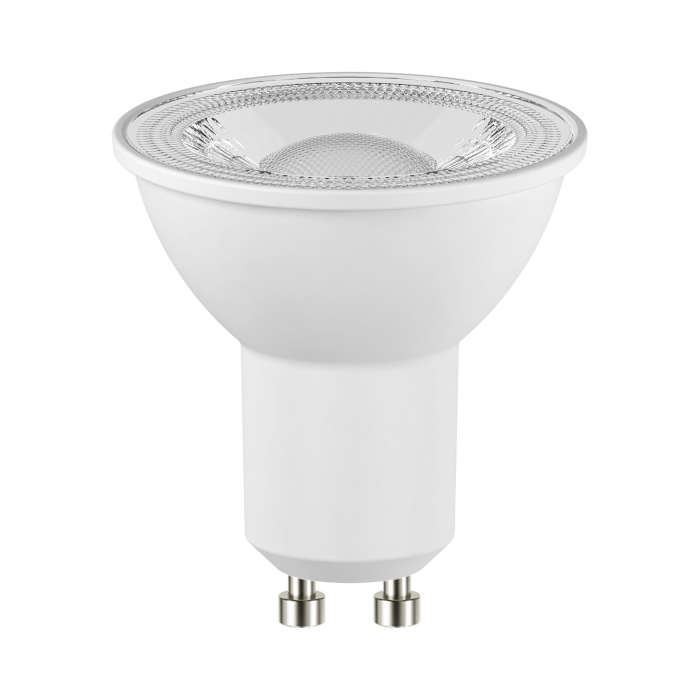
Lumilife
LUMiLiFe 4.6W GU10 LED Spotlight - Dimmable - 375lm - 4000K
- 15000 Hours Life Expectancy
- 36 Degree Beam Angle
- 4000K (Cool White)
- 50W Halogen Replacement
- 54mmx50mmx50mm
- Dimmable
- Regular Price
- £1.99
- Sale Price
- £1.99
- Regular Price
-
- Unit Price
- per


Lumilife
LUMiLiFe 3.6W GU10 LED Glass Spotlight - Dimmable - 345lm - 2700K
- 25000 Hours Life Expectancy
- 2700K (Warm White)
- 36 Degree Beam Angle
- 50W Halogen Replacement
- 54mmx50mmx50mm
- Dimmable
- Regular Price
- £1.99
- Sale Price
- £1.99
- Regular Price
-
- Unit Price
- per


Lumilife
LUMiLiFe 4W GU10 LED Glass Spotlight - 345lm - 5000K
- 15000 Hours Life Expectancy
- 36 Degree Beam Angle
- 5000K (Daylight)
- 50W Halogen Replacement
- 54mmx50mmx50mm
- Non Dimmable
- Regular Price
- £1.59
- Sale Price
- £1.59
- Regular Price
-
- Unit Price
- per


Lumilife
GU10 (3.6W) 345lm - Warm White - Dimmable (Glass Finish)
- Dimmable
- H52mm x W50mm x D50mm
- Narrow Beam Angle - 36º
- Replaces 50W Halogen Spotlight
- Up To 25000 Hours Life Expectancy
- Regular Price
- £1.99
- Sale Price
- £1.99
- Regular Price
-
- Unit Price
- per


Lumilife
LUMiLiFe 3.6W GU10 LED Glass Spotlight - Dimmable - 375lm - 5000K
- 25000 Hours Life Expectancy
- 36 Degree Beam Angle
- 5000K (Daylight)
- 50W Halogen Replacement
- 54mmx50mmx50mm
- Dimmable
- Regular Price
- £1.99
- Sale Price
- £1.99
- Regular Price
-
- Unit Price
- per


Lumilife
LUMiLiFe 3.6W GU10 LED Spotlight - Dimmable - 375lm - 5000K
- 15000 Hours Life Expectancy
- 36 Degree Beam Angle
- 5000K (Daylight)
- 50W Halogen Replacement
- 54mmx50mmx50mm
- Dimmable
- Regular Price
- £1.99
- Sale Price
- £1.99
- Regular Price
-
- Unit Price
- per


Lumilife
MR16 (4.5W) 345lm - Cool White
- H45mm x W50mm x D50mm
- Narrow Beam Angle - 36º
- Non-Dimmable
- Replaces 35W Halogen Spotlight
- Up To 15000 Hours Life Expectancy
- Regular Price
- £2.19
- Sale Price
- £2.19
- Regular Price
-
- Unit Price
- per

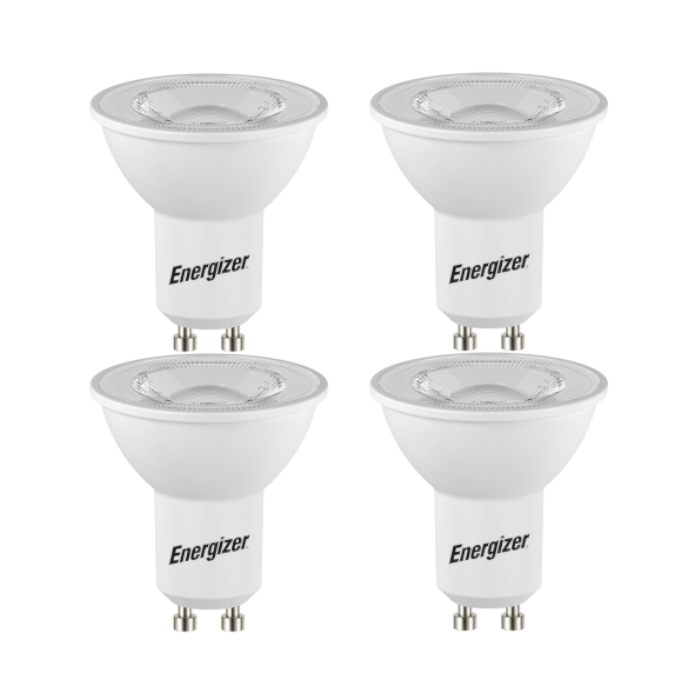
Energizer
LED GU10 Bulbs 4.2W 345lm Cool White 4000K - Pack of 4
- 15000 Hours Life Expectancy
- 36 Degree Beam Angle
- 4000K (Cool White)
- 50W Halogen Replacement
- 54mmx50mmx50mm
- Non Dimmable
- Regular Price
- £6.49
- Sale Price
- £6.49
- Regular Price
-
- Unit Price
- per


Energizer
LED GU10 Bulb 4.2W 345lm Daylight 6500K
- 15000 Hours Life Expectancy
- 36 Degree Beam Angle
- 50W Halogen Replacement
- 54mmx50mmx50mm
- 6500K (Daylight)
- Non Dimmable
- Regular Price
- £1.71
- Sale Price
- £1.71
- Regular Price
-
- Unit Price
- per

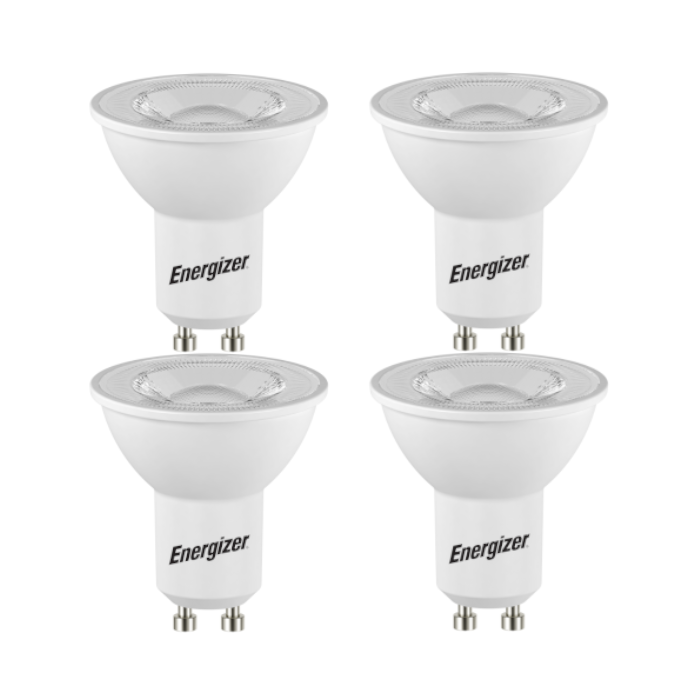
Energizer
LED GU10 Bulbs 3.6W 345lm Warm White 3000K Dimmable - Pack of 4
- 15000 Hours Life Expectancy
- 3000K (Warm White)
- 36 Degree Beam Angle
- 50W Halogen Replacement
- 54mmx50mmx50mm
- Dimmable
- Regular Price
- £7.99
- Sale Price
- £7.99
- Regular Price
-
- Unit Price
- per

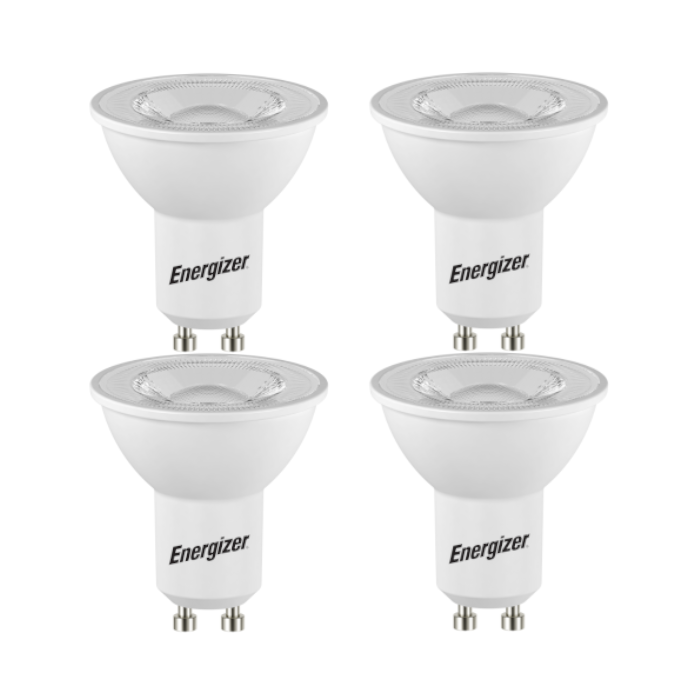
Energizer
LED GU10 Bulbs 4.2W 345lm Daylight 6500K - Pack of 4
- 15000 Hours Life Expectancy
- 36 Degree Beam Angle
- 50W Halogen Replacement
- 54mmx50mmx50mm
- 6500K (Daylight)
- Non Dimmable
- Regular Price
- £6.49
- Sale Price
- £6.49
- Regular Price
-
- Unit Price
- per

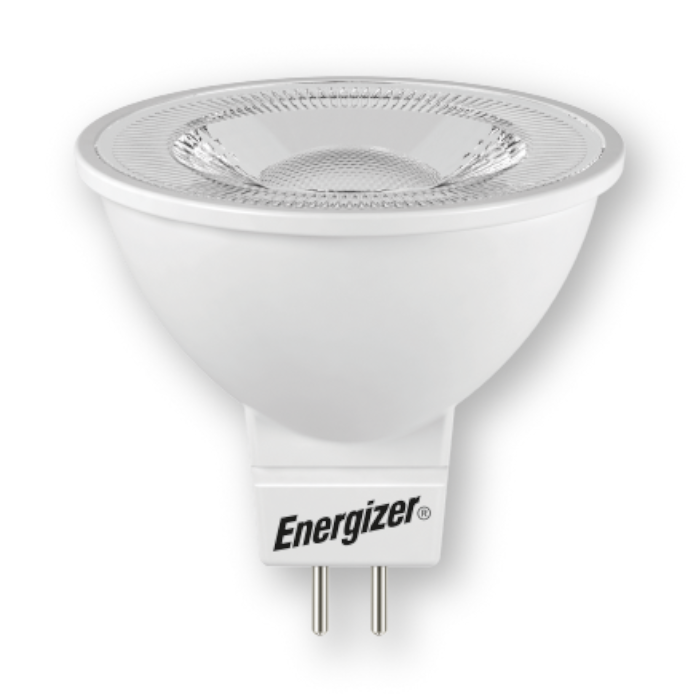
Energizer
Energizer 3.4W MR16 LED Spotlight - 345lm - 3000K
- 15000 Hours Life Expectancy
- 3000K (Warm White)
- 36 Degree Beam Angle
- 50W Halogen Replacement
- 54mmx50mmx50mm
- Non Dimmable
- Regular Price
- £2.69
- Sale Price
- £2.69
- Regular Price
-
- Unit Price
- per


Energizer
LED GU10 Bulbs 4.2W 345lm Warm White 3000K - Pack of 4
- 15000 Hours Life Expectancy
- 3000K (Warm White)
- 36 Degree Beam Angle
- 50W Halogen Replacement
- 54mmx50mmx50mm
- Non Dimmable
- Regular Price
- £6.49
- Sale Price
- £6.49
- Regular Price
-
- Unit Price
- per

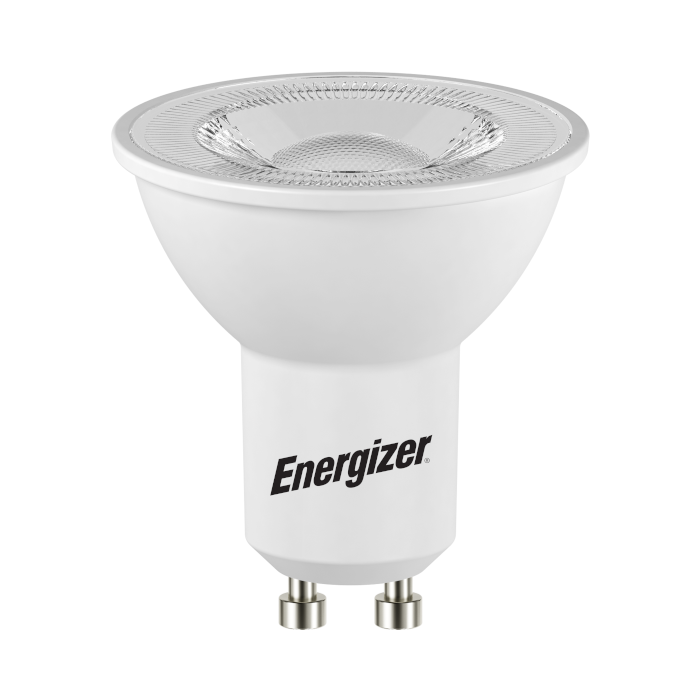
Energizer
LED GU10 Bulb 3.6W 345lm Warm White 3000K
- 15000 Hours Life Expectancy
- 3000K (Warm White)
- 36 Degree Beam Angle
- 50W Halogen Replacement
- 54mmx50mmx50mm
- Non Dimmable
- Regular Price
- £1.69
- Sale Price
- £1.69
- Regular Price
-
- Unit Price
- per


Lumilife
MR16 (4.8W) 345lm - Cool Daylight - Dimmable
- Dimmable
- Energy Rating G
- H45mm x W50mm x D50mm
- Narrow Beam Angle - 36º
- Replaces 35W Halogen Spotlight
- Up To 25000 Hours Life Expectancy
- Regular Price
- £2.59
- Sale Price
- £2.59
- Regular Price
-
- Unit Price
- per

Energizer
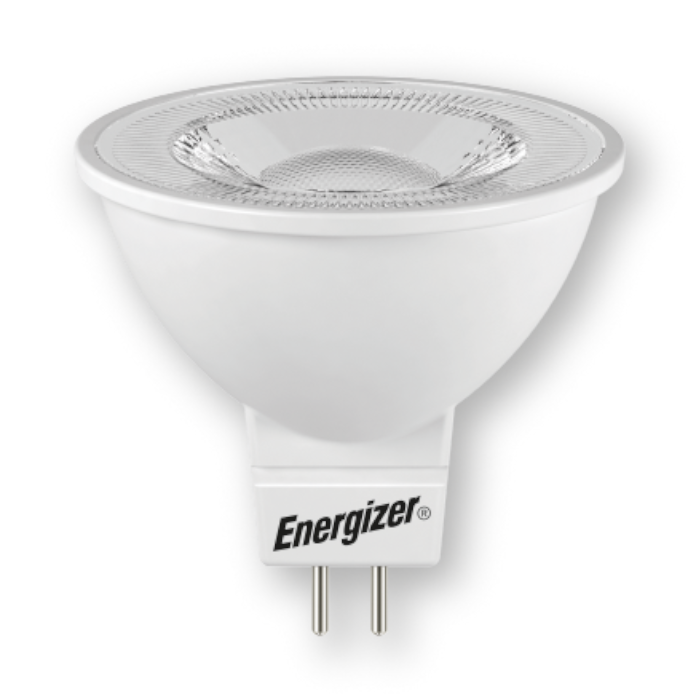
Energizer 3.4W MR16 LED Spotlight - 345lm - 4000K
- 15000 Hours Life Expectancy
- 36 Degree Beam Angle
- 4000K (Cool White)
- 50W Halogen Replacement
- 54mmx50mmx50mm
- Non Dimmable
- Regular Price
- £2.69
- Sale Price
- £2.69
- Regular Price
-
- Unit Price
- per

Energizer
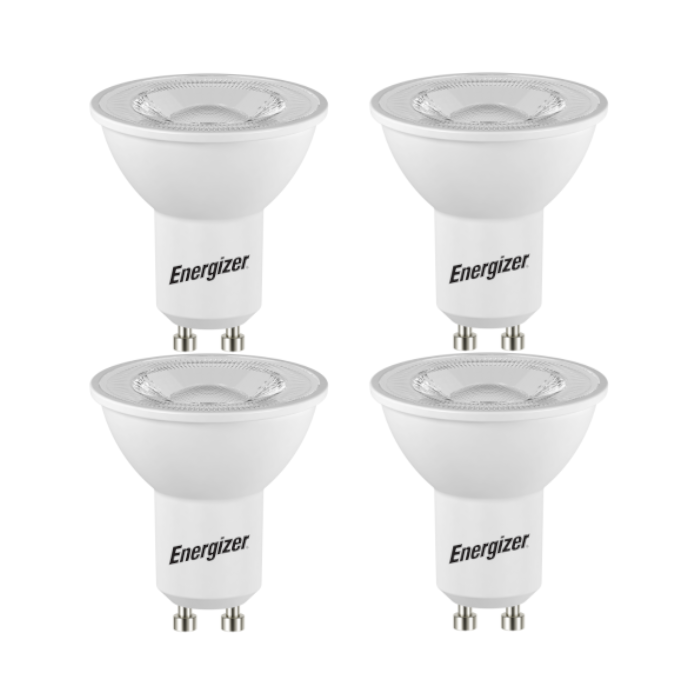
LED GU10 Bulbs 3.6W 345lm Daylight 6500K Dimmable - Pack of 4
- 15000 Hours Life Expectancy
- 36 Degree Beam Angle
- 50W Halogen Replacement
- 54mmx50mmx50mm
- 6500K (Daylight)
- Dimmable
- Regular Price
- £7.99
- Sale Price
- £7.99
- Regular Price
-
- Unit Price
- per


Energizer
LED GU10 Bulb 4.8W 450lm Cool White 4000K
- H54mm x W50mm x D50mm
- Narrow Beam Angle - 36º
- Non-Dimmable
- Replaces 60W Halogen Spotlight
- Up To 15000 Hours Life Expectancy
- Regular Price
- £2.49
- Sale Price
- £2.49
- Regular Price
-
- Unit Price
- per


Eveready
GU10 (3.1W) 250lm - Warm White - (Wide Beam Angle)
- H57mm x W50mm x D50mm
- Non-Dimmable
- Replaces 35W Halogen Spotlight
- Up To 10000 Hours Life Expectancy
- Wide Beam Angle - 100º
- Regular Price
- £1.79
- Sale Price
- £1.79
- Regular Price
-
- Unit Price
- per


Energizer
LED GU10 Bulbs 4.6W 400lm Cool White 4000K Dimmable - Pack of 4
- Dimmable
- H54mm x W50mm x D50mm
- Narrow Beam Angle - 36º
- Replaces 50W Halogen Spotlight
- Up To 15000 Hours Life Expectancy
- Regular Price
- £7.99
- Sale Price
- £7.99
- Regular Price
-
- Unit Price
- per

Lumilife
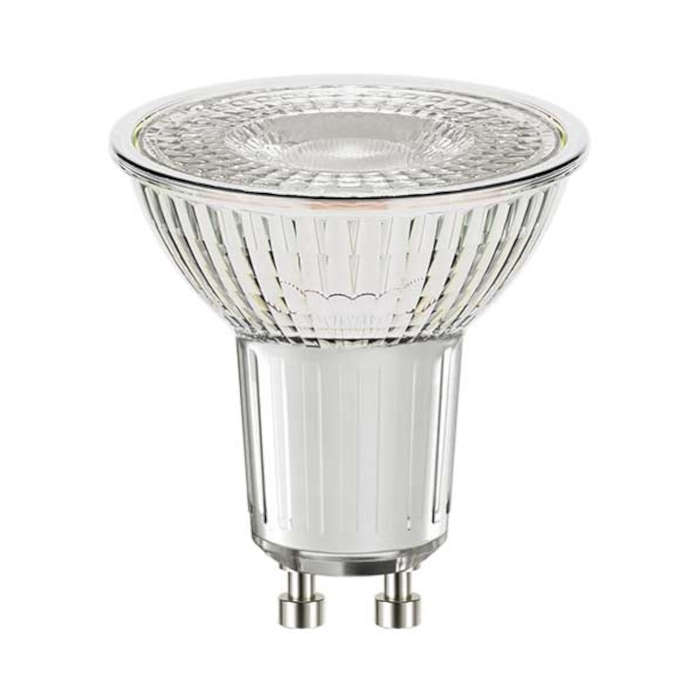
LUMiLiFe 4.6W GU10 LED Glass Spotlight - Dimmable - 375lm - 4000K
- 25000 Hours Life Expectancy
- 36 Degree Beam Angle
- 4000K (Cool White)
- 50W Halogen Replacement
- 54mmx50mmx50mm
- Dimmable
- Regular Price
- £1.99
- Sale Price
- £1.99
- Regular Price
-
- Unit Price
- per


Energizer
LED GU10 Bulb 3.6W 345lm Cool White 4000K
- H54mm x W50mm x D50mm
- Narrow Beam Angle - 36º
- Non-Dimmable
- Replaces 50W Halogen Spotlight
- Up To 15000 Hours Life Expectancy
- Regular Price
- £2.39
- Sale Price
- £2.39
- Regular Price
-
- Unit Price
- per

Energizer
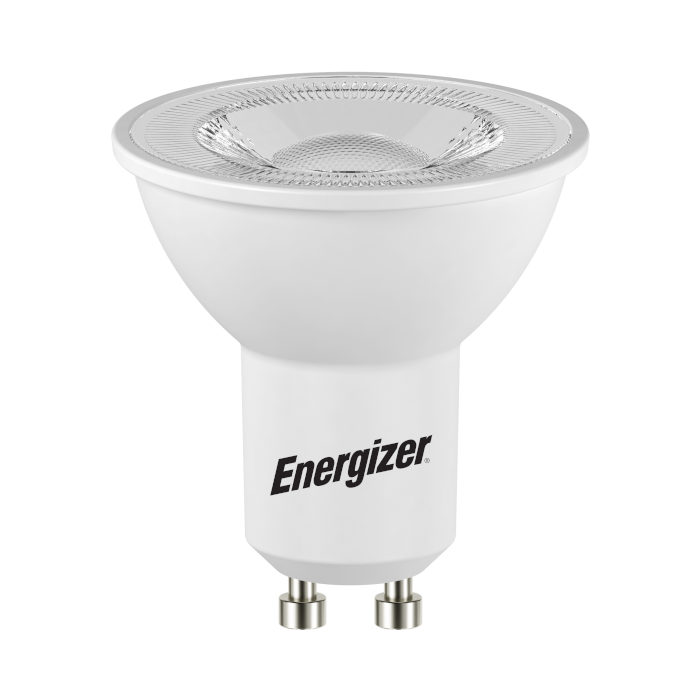
LED GU10 Bulb 3.6W 345lm Cool White 4000K Dimmable
- 15000 Hours Life Expectancy
- 36 Degree Beam Angle
- 4000K (Cool White)
- 50W Halogen Replacement
- 54mmx50mmx50mm
- Dimmable
- Regular Price
- £2.49
- Sale Price
- £2.49
- Regular Price
-
- Unit Price
- per


Energizer
LED GU10 Bulb 4.8W 450lm Warm White 3000K
- H54mm x W50mm x D50mm
- Narrow Beam Angle - 36º
- Non-Dimmable
- Replaces 60W Halogen Spotlight
- Up To 15000 Hours Life Expectancy
- Regular Price
- £2.49
- Sale Price
- £2.49
- Regular Price
-
- Unit Price
- per


Energizer
GU10 (5.5W) 400lm - Cool White - Dimmable (Glass Finish)
- Dimmable
- H54mm x W50mm x D50mm
- Narrow Beam Angle - 36º
- Replaces 50W Halogen Spotlight
- Up To 15000 Hours Life Expectancy
- Regular Price
- £1.99
- Sale Price
- £1.99
- Regular Price
-
£3.29
- Unit Price
- per
Energizer
LED GU10 Bulb 4W 450lm Warm White 3000K Dimmable - 120° Wide Beam
- 120° Wide Beam
- 3000K Warm White
- 40W Replacement
- 450lm Bright Output
- Dimmable
- Regular Price
- £2.29
- Sale Price
- £2.29
- Regular Price
-
- Unit Price
- per


Energizer
LED GU10 Glass Bulb 5W 350lm Warm White 3000K
- H54mm x W50mm x D50mm
- Narrow Beam Angle - 36º
- Non-Dimmable
- Replaces 50W Halogen Spotlight
- Up To 15000 Hours Life Expectancy
- Regular Price
- £2.49
- Sale Price
- £2.49
- Regular Price
-
- Unit Price
- per
Energizer
LED GU10 Bulb 4W 450lm Daylight 6500K Dimmable - 120° Wide Beam
- 120° Wide Beam
- 40W Replacement
- 450lm Bright Output
- 6500K Daylight
- Dimmable
- Regular Price
- £2.29
- Sale Price
- £2.29
- Regular Price
-
- Unit Price
- per
Energizer
LED GU10 Bulb 4W 450lm Cool White 4000K Dimmable - 120° Wide Beam
- 120° Wide Beam
- 4000K Cool White
- 40W Replacement
- 450lm Bright Output
- Dimmable
- Regular Price
- £2.29
- Sale Price
- £2.29
- Regular Price
-
- Unit Price
- per


Energizer
Energizer GU10 Spot LED Bulb - 2w - 4000K- 360lm
- 4000K (Cool White)
- GU10
- Non Dimmable
- Regular Price
- £5.95
- Sale Price
- £5.95
- Regular Price
-
- Unit Price
- per


Energizer
Energizer GU10 Spot LED Bulb - 2w - 6500K- 360lm
- 6500K (Daylight)
- Non Dimmable
- Regular Price
- £5.95
- Sale Price
- £5.95
- Regular Price
-
- Unit Price
- per
Dimmable & non-dimmable LED spotlights
When introducing energy saving LED spotlights into the home, you may wish to consider opting for dimmable LED spotlight bulbs to help achieve the desired low level of lighting - for best results, always upgrade your dimmer switch to a purpose-built LED dimmer switch, capable of controlling the associated lower power levels (ordinary dimmer switches may deliver mixed results). Browse dimmable LED spotlights here. However, if you wish to retrofit your existing downlight solutions with efficient low wattage LED spotlight bulbs that you do not intend to be controlled by a dimmer switch, you may wish to browse non-dimmable LED spotlights.
LED spotlights - beam angle
Depending on the floor space of the area that you plan to illuminate, and depending on your desired level of cross over between beams, you may wish to consider different beam angles, including 36° beam LED spotlight bulbs, 100° beam LED spotlight bulbs, and 110° beam LED spotlight bulbs.

Customer support open Mon-Fri: 8:30- 16:30
Phone: 0161 669 4435
Email: contact@ledhut.co.uk
Contact Us
Unit 1 Dodgson Street Industrial Estate
Dodgson Street
Rochdale
OL16 5SJ